

Why Are My Brakes Squeaking? 7 Common Causes of Squeaky Brakes
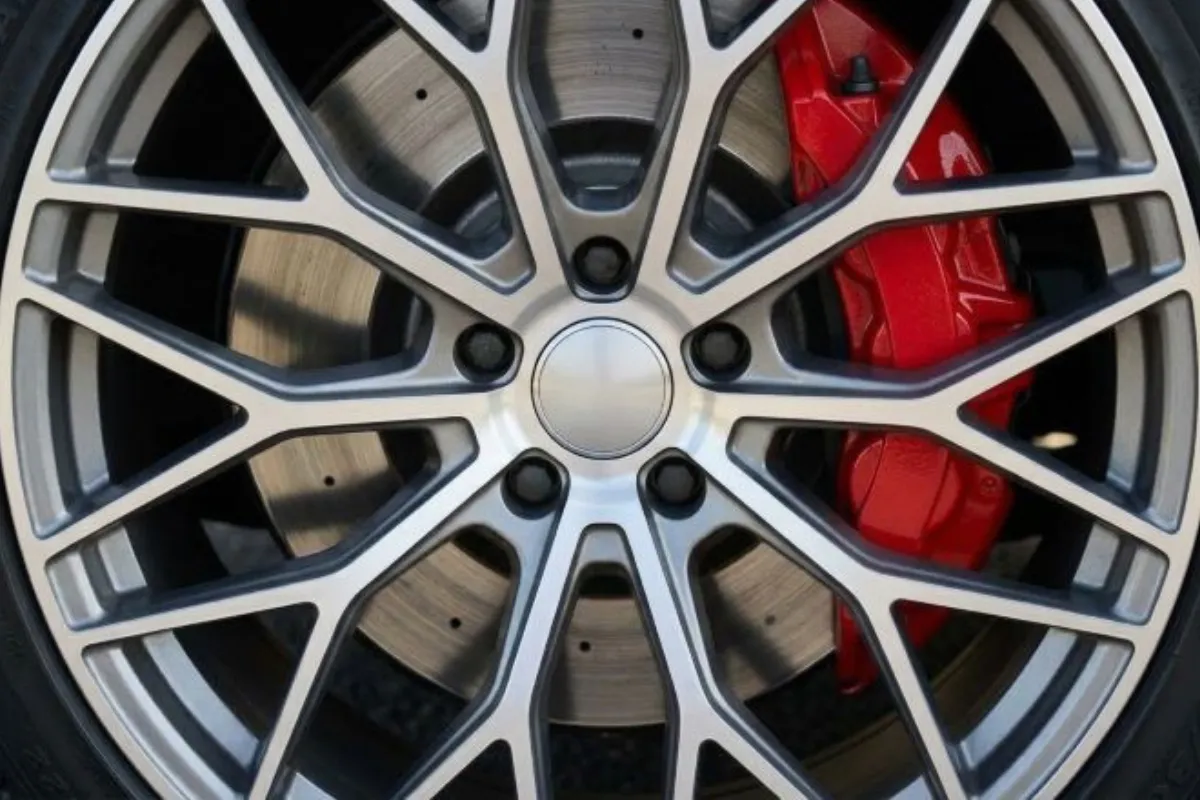
Squeeeeeak.
If your brakes are squeaking, squealing, grinding, or making a sound they didn’t make before, your vehicle may be trying to tell you something.
The good news? Squeaky brakes don’t always mean you need new brakes. Moisture, weather, road debris, and even certain brake pad materials can cause temporary brake noise.
But brake squeaking can also be an early warning sign of worn brake pads or another issue with your braking system. Because your brakes are one of your vehicle’s most important safety systems, unusual brake noises are worth paying attention to.
Here are some of the most common reasons your brakes may be squeaking — and how to know when it’s time to have them inspected.
1. Your Brake Pads May Be Worn
One of the most common causes of squeaking brakes is worn brake pads.
Many brake pads are designed with a small wear indicator that can create a high-pitched squealing or squeaking sound as the brake pad approaches the end of its usable life.
Think of it as your brakes giving you an early warning:
“It may be time to get me checked.”
Ignoring worn brake pads can eventually lead to reduced braking performance and damage to other braking components, potentially turning a relatively straightforward brake service into a more expensive repair.
If your brakes have recently started squeaking consistently, scheduling a brake inspection is a smart first step.
2. Moisture Can Make Your Brakes Squeak
Have you noticed your brakes squeaking first thing in the morning, especially after rain or damp weather?
That can be completely normal.
When your vehicle sits overnight, moisture can collect on the surface of the brake rotors. A very thin layer of surface rust may form, causing a temporary squeaking or scraping sound during your first few stops.
In many cases, the noise disappears once the brakes have been used and the moisture has cleared.
If the squeaking continues after you've been driving for a while, however, there may be another cause worth investigating.
3. Cold Weather Can Cause Brake Noise
Canadian weather isn't always easy on vehicles — and your brakes are no exception.
Cold temperatures can sometimes cause brakes to squeak temporarily, particularly when the vehicle has been sitting outside overnight.
Snow, ice, moisture, road salt, and temperature changes can all affect braking components and contribute to temporary brake noise.
A little noise during the first few stops may not necessarily indicate a problem. Persistent or worsening brake noise should still be inspected.
4. Dirt or Debris May Be Caught Around the Brakes
Your braking system operates close to the road, which means dirt, dust, sand, small stones, road salt, and other debris can sometimes make their way around the brake components.
This can result in squeaking, scraping, or other unusual sounds when braking.
Sometimes the debris clears on its own. If the sound persists, a technician can inspect the braking system to determine whether debris or another issue is causing the noise.
5. Your Brake Rotors May Need Attention
Your brake pads and rotors work together every time you stop your vehicle.
Over time, brake rotors can develop wear, grooves, corrosion, or uneven surfaces. When the brake pads contact an uneven rotor surface, you may experience unusual noises or vibrations.
Possible signs of a rotor-related issue can include:
- Squeaking or scraping while braking
- Vibration through the brake pedal
- Pulsating when braking
- Steering wheel vibration during braking
- Changes in braking feel
A brake inspection can help determine the condition of both your brake pads and brake rotors and whether service or replacement is recommended.
6. Your Brake Pad Material Can Naturally Make Some Noise
Not every squeak means something is wrong.
Different vehicles use different types of brake pads, and some brake pad materials can naturally produce more noise than others under certain conditions.
Driving conditions, temperature, humidity, brake temperature, and the design of the braking system can all affect how much brake noise you hear.
That's why diagnosing squeaky brakes isn't always as simple as automatically replacing the brake pads.
A qualified technician can inspect the system and help determine whether the sound is normal or requires attention.
7.Your Brakes May Need Professional Inspection or Service
If your brakes keep squeaking, the safest approach is to have them inspected.
A technician can examine the braking system to identify the source of the noise and check components such as the brake pads, rotors, calipers, and related hardware.
Catching brake wear early can also help prevent additional damage to other components.
Squeaking vs. Grinding Brakes: What's the Difference?
The type of sound your brakes make matters.
A high-pitched squeak or squeal can sometimes be caused by moisture, brake pad material, or a brake pad wear indicator.
A harsh grinding or metal-on-metal sound is more concerning.
Grinding can indicate significant brake pad wear or another issue requiring prompt attention. Continuing to drive with severely worn braking components may damage the rotors or other parts of the braking system and could affect braking performance.
If your brakes are grinding, braking performance has noticeably changed, or a brake warning light is illuminated, have your vehicle inspected as soon as possible.
Can I Keep Driving If My Brakes Are Squeaking?
It depends on what's causing the noise.
Occasional squeaking that disappears after a few stops — particularly after your vehicle has been parked overnight in damp or cold conditions — may simply be caused by surface moisture.
Persistent squeaking is different.
If the sound happens regularly, is becoming louder, or is accompanied by other symptoms, it's worth having your brakes checked rather than waiting for the problem to become more serious.
Pay particular attention if you notice:
- Grinding or scraping noises
- A soft or spongy brake pedal
- Your vehicle pulling to one side while braking
- Vibration or pulsation when braking
- Longer stopping distances
- A brake or ABS warning light
- A burning smell near a wheel
- Any noticeable change in braking performance
When it comes to brakes, it's better to investigate an unusual symptom early.
How Often Should Brakes Be Inspected?
There isn't one replacement schedule that applies to every vehicle.
Brake wear depends on several factors, including your vehicle, driving habits, road conditions, traffic, terrain, mileage, brake components, and whether you regularly tow or carry heavier loads.
Frequent stop-and-go driving can also cause brakes to wear differently than vehicles that spend most of their time cruising on the highway.
Instead of waiting for a specific kilometre reading, have your braking system inspected as part of your vehicle's regular maintenance and anytime you notice a change in how your brakes sound, feel, or perform.
Always follow the maintenance and inspection recommendations provided for your specific vehicle.
Frequently Asked Questions About Squeaky Brakes
Why are my brakes squeaking when I stop?
Squeaking while stopping can have several causes, including worn brake pads, moisture on the brake rotors, road debris, brake pad material, or wear within the braking system. If the squeaking persists, have the brakes inspected to identify the cause.
Why do my brakes squeak in the morning?
Overnight moisture can collect on brake rotors and cause temporary surface rust. This may result in squeaking during the first few stops of the day. The sound often disappears as the brakes are used.
Why do my brakes squeak when it's cold?
Cold temperatures, moisture, snow, ice, and road salt can contribute to temporary brake noise. If the squeaking continues after the vehicle and brakes have warmed up, an inspection may be worthwhile.
Do squeaky brakes mean I need new brake pads?
Not necessarily. Squeaking can be caused by several factors besides worn brake pads. However, some brake pads use wear indicators that intentionally create a squealing sound when the pads are becoming worn. A brake inspection can determine the actual cause.
What's the difference between squeaking and grinding brakes?
Squeaking can occur for several relatively minor reasons, while grinding can indicate more significant brake wear or another mechanical issue. A persistent grinding or metal-on-metal sound should be inspected promptly.
How do I know if my brake pads are worn?
Possible signs include persistent squealing, grinding, changes in braking feel, longer stopping distances, or a brake warning indicator. A technician can measure brake pad thickness and inspect the complete braking system to determine its condition.
Should I get my brakes checked if they only squeak sometimes?
If the noise happens briefly after rain, washing your vehicle, or sitting overnight and then disappears, moisture may be responsible. If the noise keeps returning, becomes louder, or is accompanied by changes in braking performance, schedule an inspection.
The Bottom Line
Your brakes aren't something you want to guess about.
If your vehicle's brakes are squeaking, squealing, grinding, vibrating, or simply don't feel the way they normally do, the Applewood Auto Group service team can help determine what's going on.
Our service departments can inspect your vehicle's braking system, explain what they find, and recommend the appropriate next steps based on your vehicle's condition.
Whether it's routine maintenance, brake pads, rotors, or another braking concern, taking care of the issue early can help keep your vehicle ready for the road ahead.
Need to Book an Appointment?
From pre-trip inspections, routine maintenance, to major repairs, we’re here to deliver a service experience that’s simple, transparent, and stress-free - Contact our service department today!